THE NAME
A bear he would not shoot
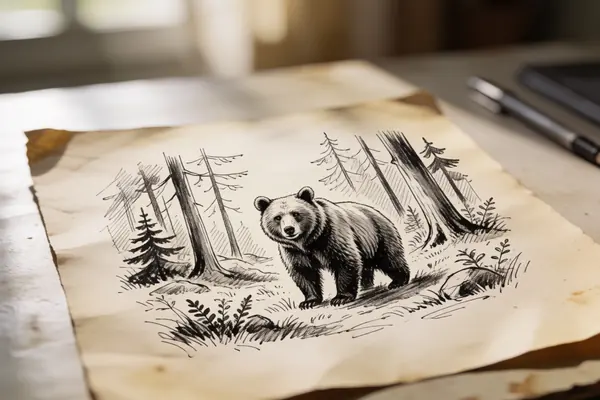
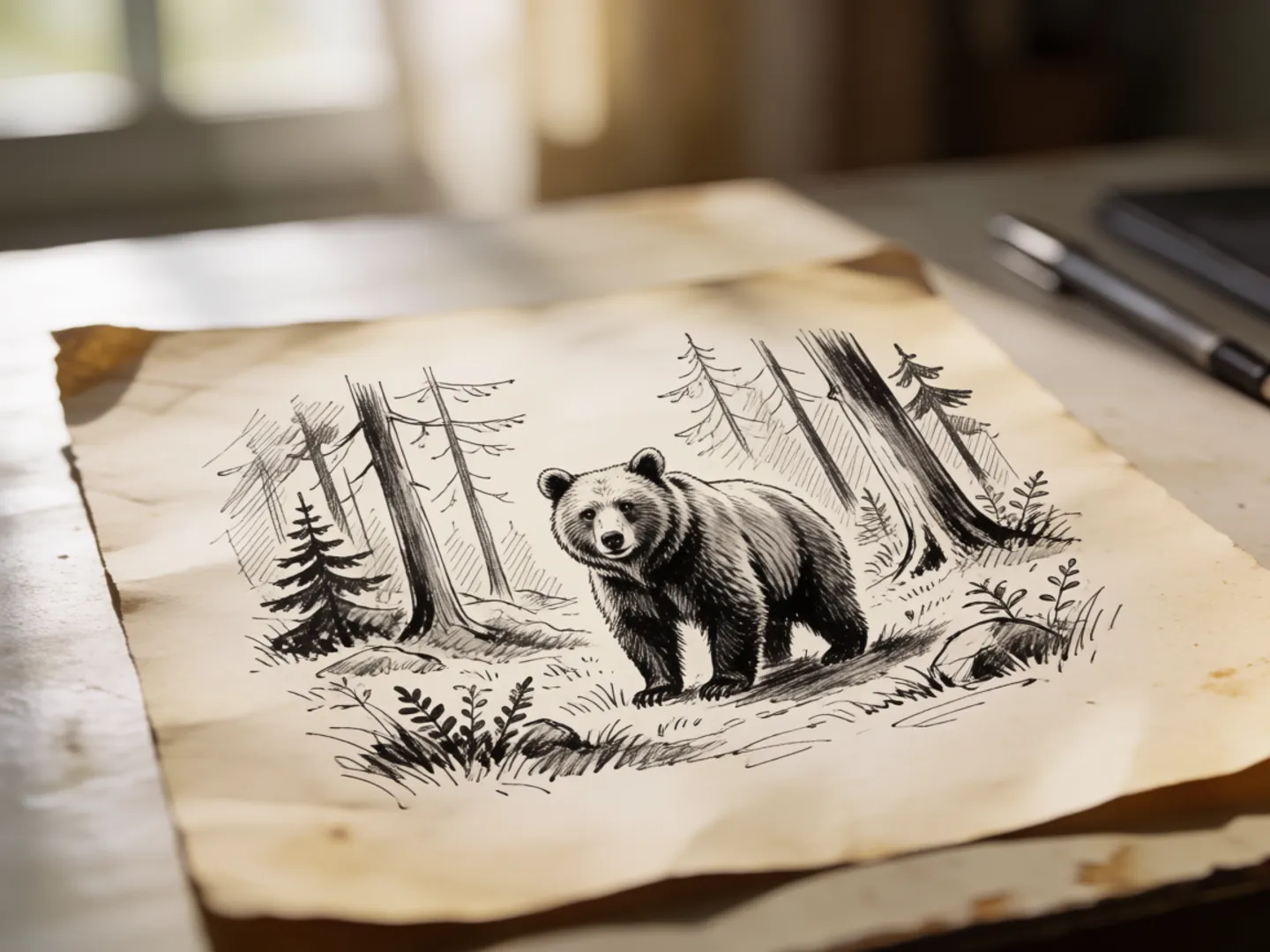
In November 1902 Theodore Roosevelt refused to shoot a defenceless bear on a hunt in Mississippi. A cartoon, 'Drawing the Line in Mississippi', made the story famous.
See the timelineA SHORT HISTORY
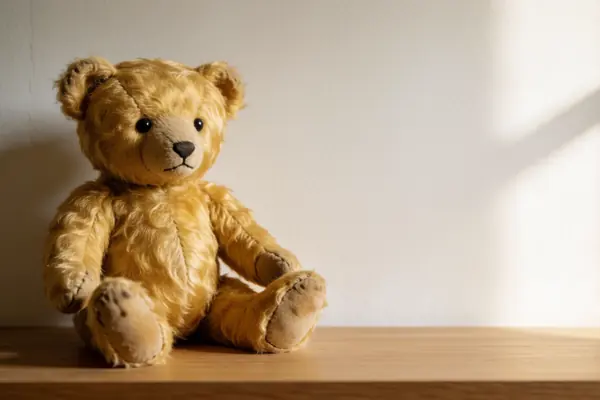
The teddy bear dates from 1902.
It began with a hunting trip in Mississippi in November 1902 and a newspaper cartoon about it. Within a year, plush bears were being made in Germany and sewn in New York, and by about 1906 they had reached nurseries in England.
SINCE 1902 named in a cartoon
THE SHORT ANSWER
The story is well known, but the details vary.
Even the Roosevelt Center says origins are not entirely clear.
THE NAME
In November 1902 Theodore Roosevelt refused to shoot a defenceless bear on a hunt in Mississippi. A cartoon, 'Drawing the Line in Mississippi', made the story famous.
See the timelineTHE TOY
A toy-making family in Germany began making a plush bear in 1902, while in New York a shopkeeping couple sewed one they called 'Teddy's bear'.
Early numbersIN ENGLAND
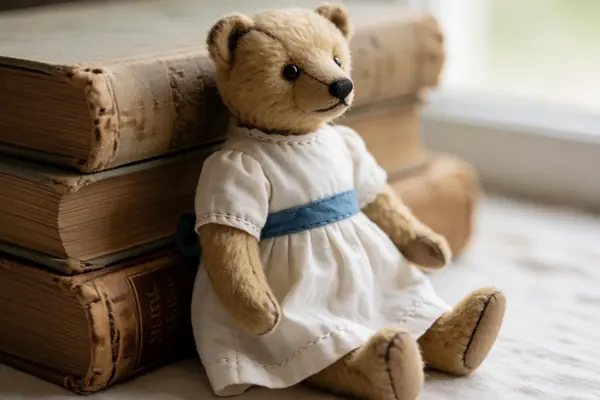
The V&A keeps bears from about 1906 owned by children in Ealing, who made them clothes, took them on holiday and painted their portraits.
Bears in the museumA TIMELINE OF EARLY BEARS
Choose a moment to read what the sources say. The bar shows how close it is to the very beginning in 1902.
From the Theodore Roosevelt Center's encyclopedia and object records in the V&A collection.
TWO NUMBERS WORTH KNOWING
One number from the first year of sales,
one from a single Edwardian nursery.
3,000
German plush bears sold in the US
The bears first went on sale in Leipzig in 1903, and 3,000 were also shipped to and sold in the United States that year.
1903 · THEODORE ROOSEVELT CENTER
9
Teddy bears in one London family
The five Cattley children of Ealing, born between 1885 and 1892, owned nine teddy bears among a large collection of soft toys.
c. 1906 · V&A
The Roosevelt Center notes some sources suggest a German plush bear may have existed before the 1902 hunt, and caught on because of the timing.
READING AN OLD BEAR
These are the features V&A curators record on early bears. They help explain how teddies were made, not what one is worth.
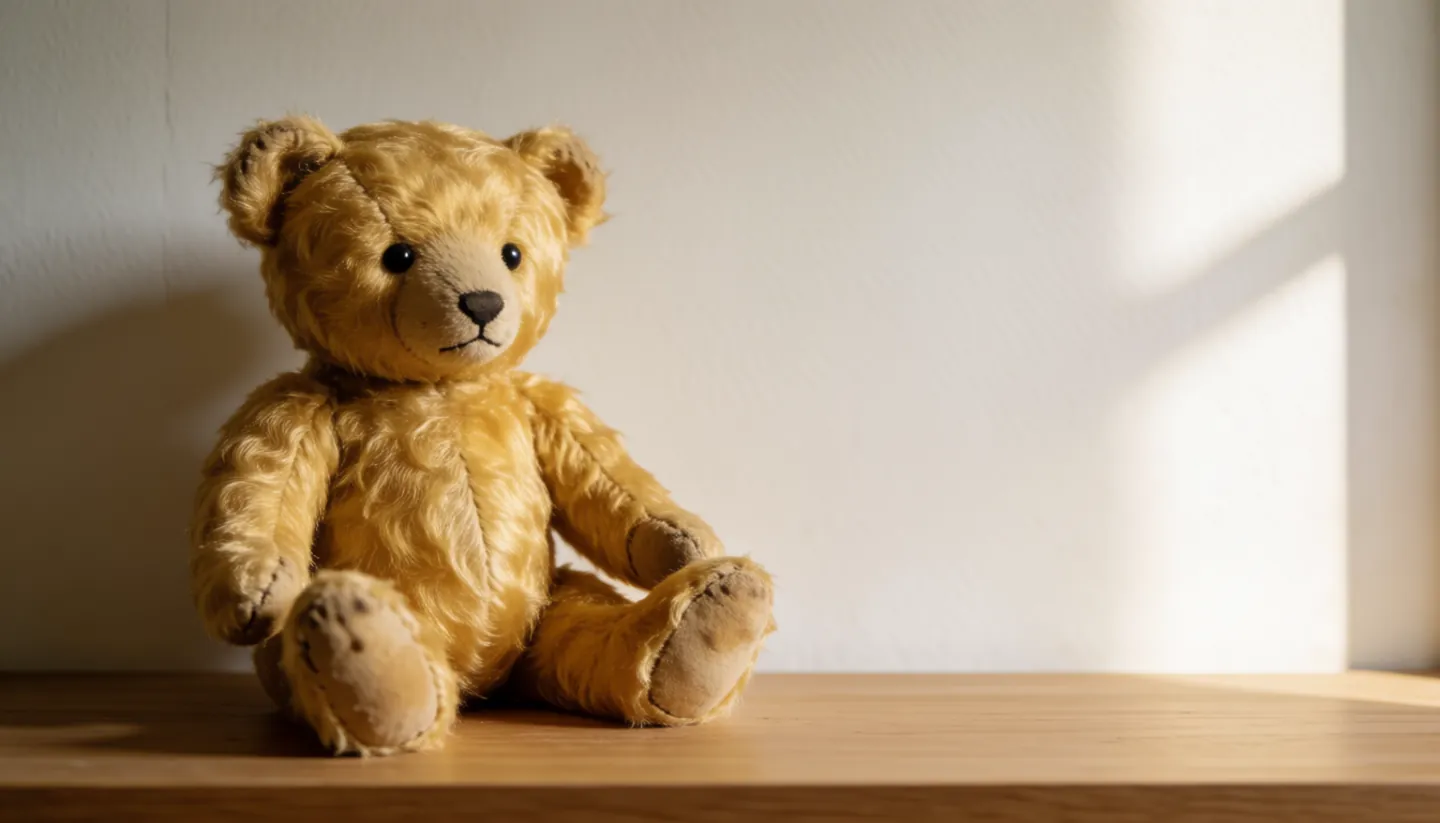
Early bears are often mohair plush; the Cattley family also had one made of brown Yorkshire cloth.
Look for small black beads or black shoe-button eyes on the earliest examples.
'Fully jointed' bears move at the limbs and head; a 1930s bargain bear used wire joints.
Records note wool stuffing, felt pads and noses, and claws or mouths stitched in thread.
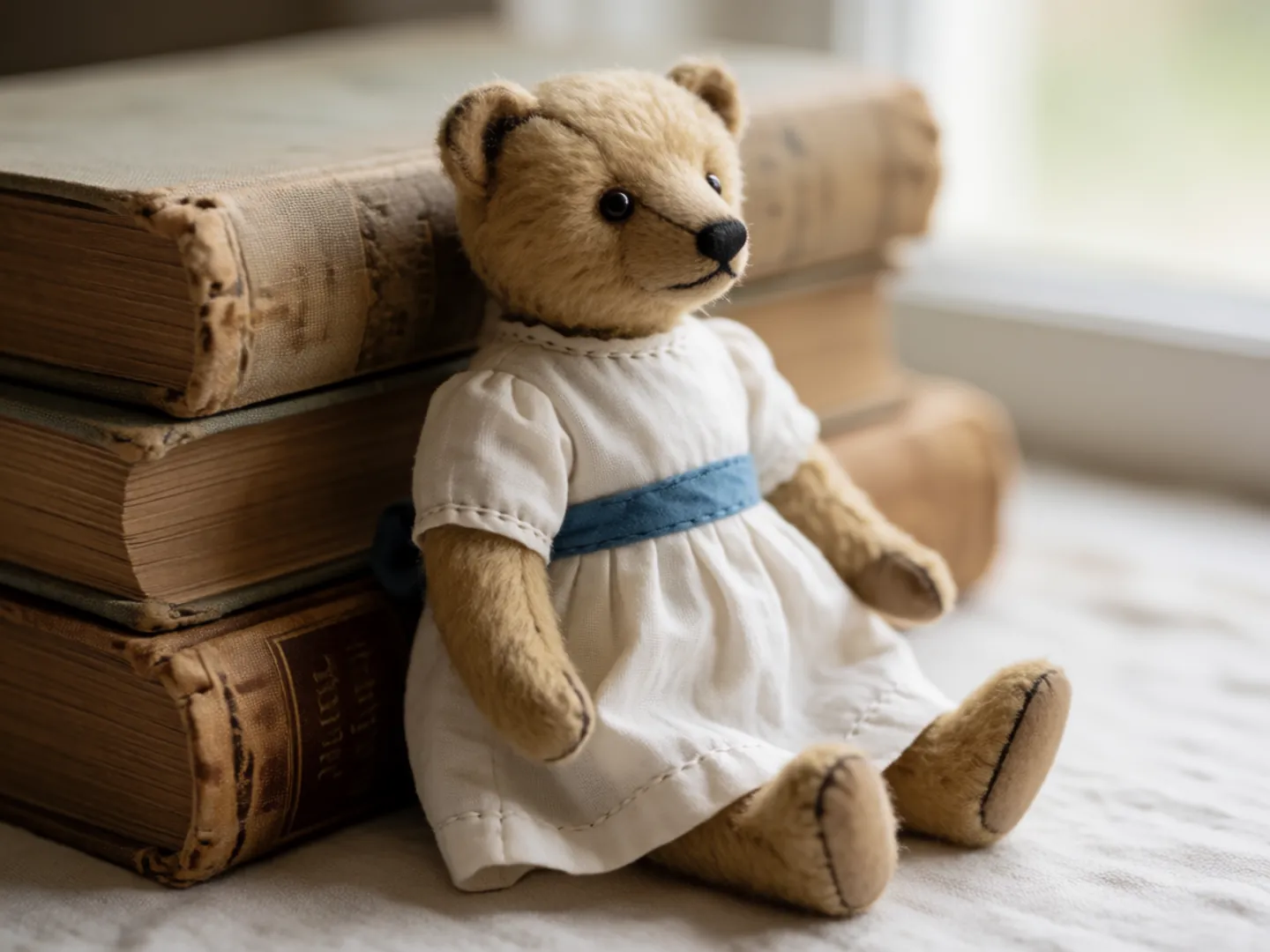
BEARS IN THE MUSEUM
The V&A's early bears came from families who treated them as members of the household. The Cattley children's bears came with hand-made dresses, petticoats and suits, alongside a home-made elephant called 'Pumpie'.
Little Tommy Tittlemouse was given to the museum in 1965. Its donor sent it a card every 24 November, the shared birthday, until he died in 1986, and since then the museum has received birthday cards for Tommy from all over the world.
Questions
It is named after Theodore 'Teddy' Roosevelt, who in November 1902 refused to shoot a defenceless bear on a hunting trip in Mississippi. A newspaper cartoon by Clifford Berryman made the story widely known.
It is not entirely clear. The Roosevelt Center says a German family toy business began making a plush bear in 1902, and a New York couple sewed a 'Teddy's bear' for their shop at nearly the same time.
The V&A says bears owned by the Cattley family of Ealing, from about 1906, would have been among the first available in England. Several were probably made in Germany.
V&A records describe mohair plush or cloth, wool stuffing, felt pads and noses, bead or shoe-button eyes and stitched claws. Many were fully jointed.
The V&A collection holds early bears including those of the Cattley family and Little Tommy Tittlemouse, and their records, with photographs, can be read on the V&A's collections website.
Sources
ABOUT THIS NAME
doodletedd.com is part of the DoodleSale portfolio. It isn't in an auction right now, but you can ask about leasing it.